


APET vs. PETG: How to choose the best material for your transparent packaging?
The packaging shell of a children's toy needs to be crystal clear and tough to fall, the tray of an electronic component needs to be anti-static and dimensionally stable, and a take-out lunch box needs to be light and sealed reliably. Behind these seemingly ordinary transparent packaging, APET and PETG, two high-performance polyester materials, are playing a key role in different scenarios.
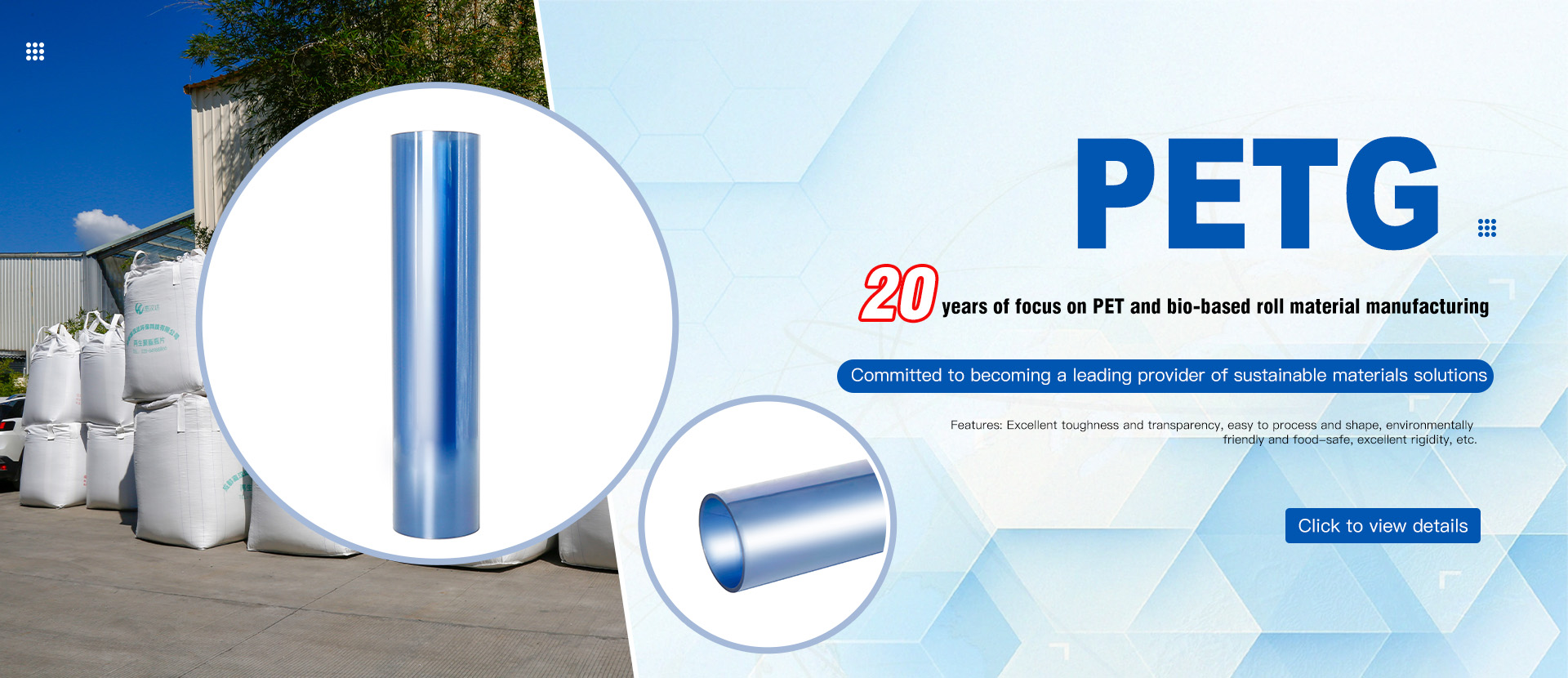
With the double upgrade of material performance and environmental protection requirements in food packaging, consumer goods display, electronic components protection and other industries, APET and PETG polyester materials are standing out. About one-third of total global demand for plastics comes from the packaging industry, where innovation is critical.
Faced with a wide range of transparent packaging schemes on the market, how can manufacturers choose the most suitable "coat" for their products? What are the essential differences between these two materials with similar names and high transparency, and in what areas do they lead the way?
01 Material origin: the technical path of homology and difference
To understand the difference between APET and PETG, we first need to trace its chemical origin. Both of them are derived from general polyester PET, but through different chemical modification paths, they have obtained unique properties beyond the basic PET and embarked on two "homologous and different" development paths.
Common PET (often used in mineral water bottles) is a crystalline polymer. APET, known chemically as amorphous polyethylene terephthalate, is prepared by copolymerizing a third monomer, usually a dibasic acid such as isophthalic acid (IPA), during the polymerization process.
This change in chemical structure destroys the regularity of the molecular chain and changes it from an easily crystalline state to an amorphous state, thus obtaining the characteristics of high transparency, high gloss, and easy thermoforming.
PETG is also a copolymerized modification product of PET, but its modification path is different from that of APET. PETG was modified mainly by introducing another key monomer, 1,4-cyclohexanedimethanol (CHDM).
The addition of CHDM will also reduce the crystallinity of the material, make it amorphous, and significantly improve the toughness, chemical resistance and heat sealing performance of the material.
The differences between these two technological paths fundamentally shape their different performance preferences and application fields, just like two tributaries of the same river, each irrigating different industrial fertile soil.
02 Performance duel: transparency, toughness, processability and cost
Both APET and PETG have excellent optical properties. The transmittance of APET sheet is usually more than 92%, and the surface gloss is excellent. PETG is also known for its high transparency and glass-like texture.
In terms of mechanical properties, PETG generally exhibits superior toughness and impact strength. This makes it an advantage in packaging applications that need to withstand accidental drops or external shocks, such as tool packaging and high-end electronics.
APET has higher rigidity and stiffness, and its strength is more than 20% higher than that of common PVC film. This makes APET better at making packages that need to maintain a fixed shape and support well, such as cake boxes, outer boxes of electronic products, etc.
Processing performance is one of the most significant areas of difference between the two. APET has excellent thermoformability and is the fastest growing material in the field of transparent rigid packaging.
However, its heat sealing performance is a major challenge, which usually requires the use of special equipment or composite other materials to achieve reliable packaging.
The most outstanding processing advantage of PETG is precisely its excellent heat sealing performance, which is easy to operate and firm in sealing. This feature makes it ideal for blister packaging where high frequency heat sealing or glue bonding is required.
In terms of cost, APET usually has more obvious advantages. Its raw materials and production process are relatively mature, which makes APET widely used in large-scale food packaging and consumer goods packaging in pursuit of cost-effective.
The market price of PETG is usually significantly higher than that of APET due to the introduction of CHDM monomer with higher price, higher raw material cost and stricter requirements for processing accuracy.
03 Application Atlas: Decoding the Main Battlefield of the Two Materials
Based on their respective performance and cost characteristics, APET and PETG have naturally formed a differentiated application layout in the vast packaging market, accurately matching the core needs of different industries.
Food Packaging: the Main Position of APET
In the field of food packaging, especially the trays and boxes of fresh fruits and vegetables, pastries and cooked food, APET is a well-deserved main force.
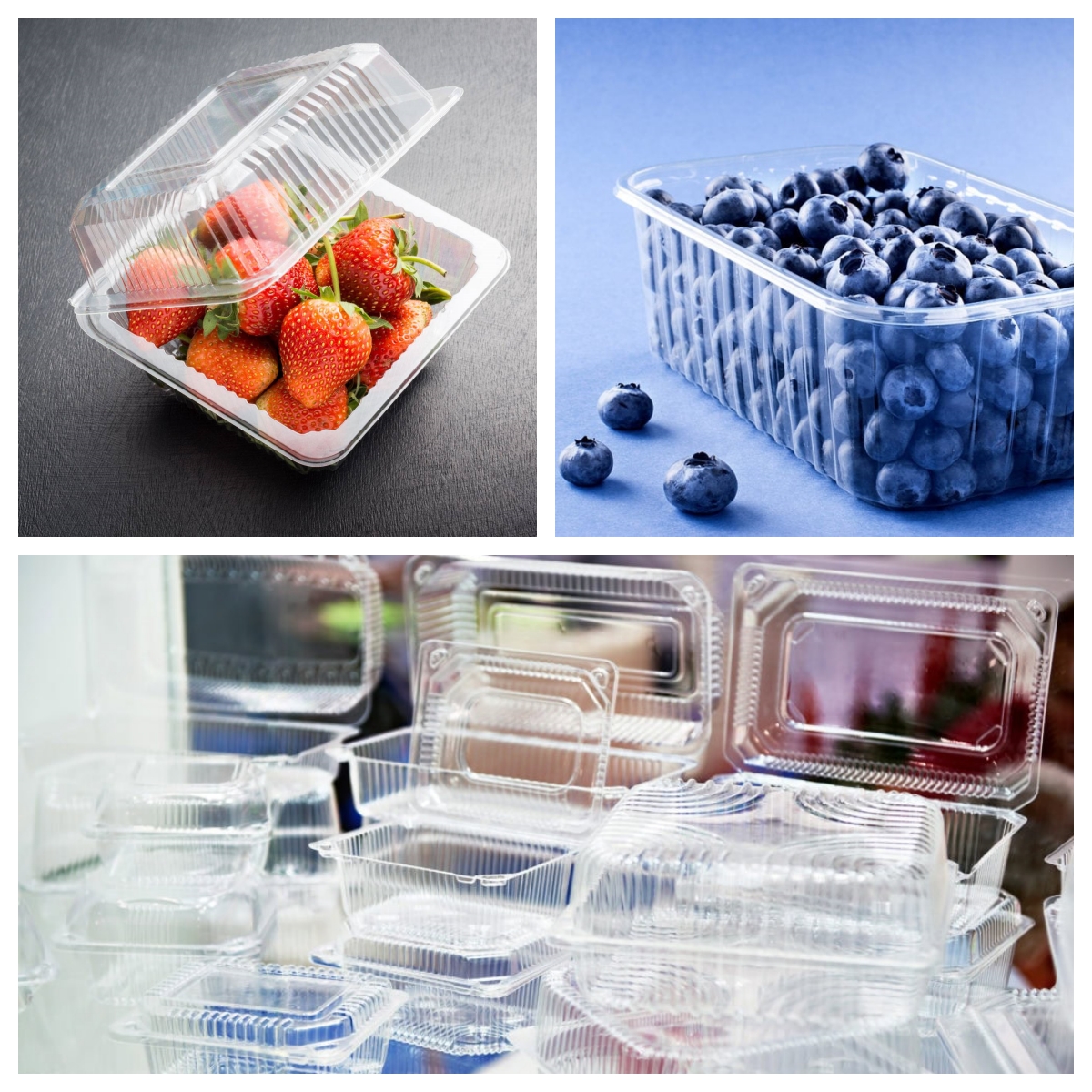
Its excellent transparency can perfectly display the color of food, its high rigidity can provide good support, and it meets the food contact safety standards. APET offers the best balance of performance and price for cost-sensitive, large-scale food packaging.
Packaging of electronic products and industrial products: clear division of labor
For e-tray and industrial packaging, the choice of both depends on the specific needs. APET can be made into different grades of antistatic sheets and even conductive sheets by coating technology.
These materials are specially used for anti-static packaging and turnover boxes of integrated circuits, precision components and other electronic products to effectively prevent electrostatic damage.
If the packaging structure is complex, requires heat sealing and requires high toughness, such as the blister inner support of some tools or high-end electronic products, PETG with better processability and stronger impact resistance is more suitable.
Medical Devices and High-end Consumer Goods: PETG's Professional Stage
PETG occupies an important position in the field of medical device packaging because of its excellent chemical resistance, sterilization and recognized environmental safety.
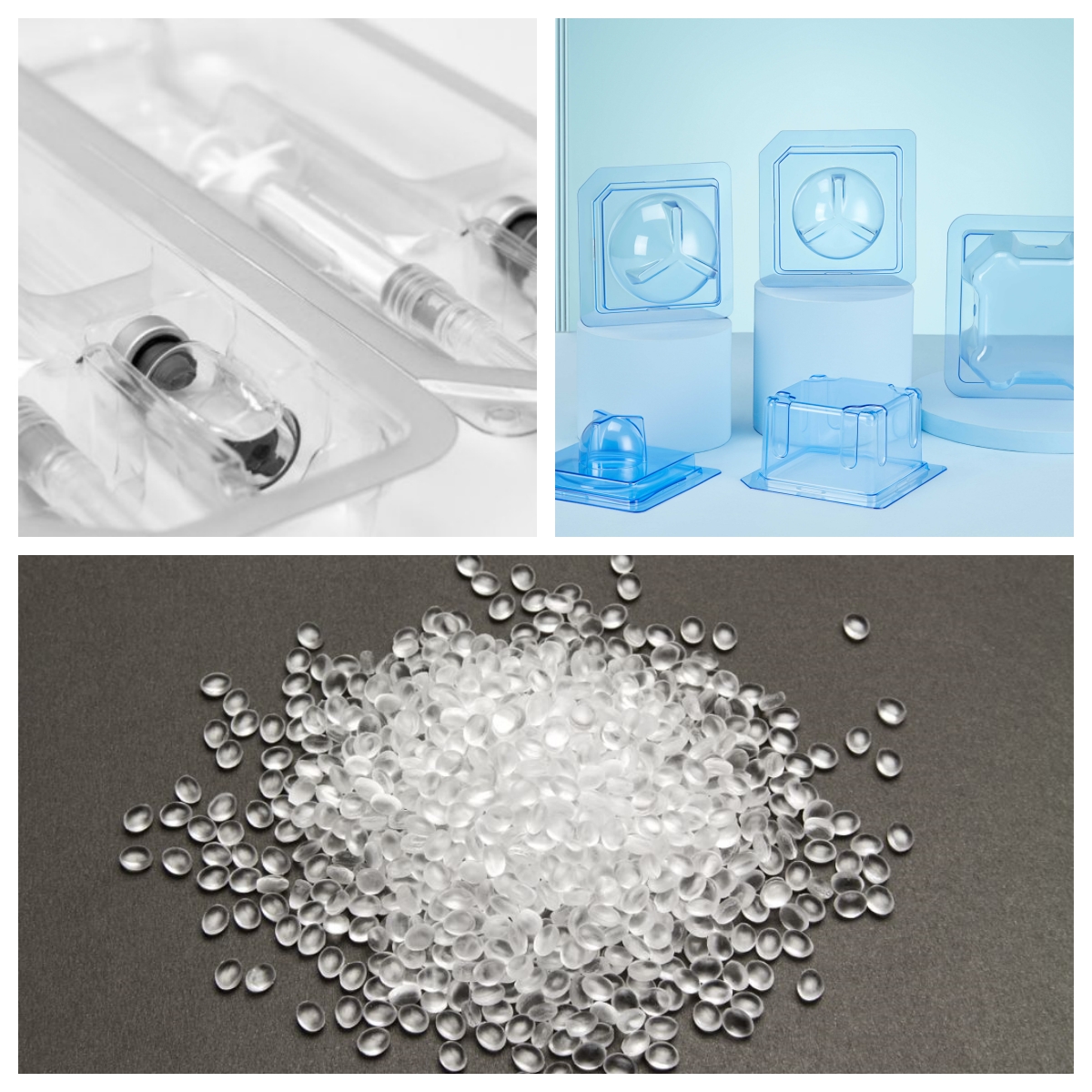
Whether it is the packaging of surgical instruments or the packaging of medical contrast agent syringes, PETG can be seen. PETG has passed the FDA's food contact standards, and is often used in high-end cosmetic bottles, skin care containers and other areas with high requirements for texture and safety.
04 Decision Guide: How to Choose the Best Materials for Your Project
Faced with specific packaging projects, manufacturers can make systematic evaluation from three dimensions of product requirements, production process and cost budget, so as to make scientific decisions between APET and PETG.
The primary decision factor is the characteristics of the product itself and the functional requirements of the packaging. If your product is a food or general consumer product that is cost-sensitive and requires good display and regular shape, APET is often a more cost-effective option.
The additional protection and safety certification provided by PETG is even more valuable if the product is of high value, if the packaging may be subject to transport risks, or if the product has strict safety regulations, such as medical devices.
Production process and equipment conditions are realistic factors that must be considered. If the existing production line is based on heat-sealing process, PETG, which is easy to heat-seal, can greatly improve production efficiency and packaging reliability.
If the thermoforming process is dominant and the requirements for rigidity and dimensional stability after forming are high, APET may be more suitable.
To sum up, a clear decision path is to prioritize the evaluation of cost and process fit on the premise of meeting basic performance requirements.
APET has obvious comprehensive advantages for mass consumer goods packaging with limited budget and pursuit of large-scale production. For market segments with relatively loose budgets and pursuing high-end performance, safety or special processing requirements, investment in PETG often brings higher added value to products.
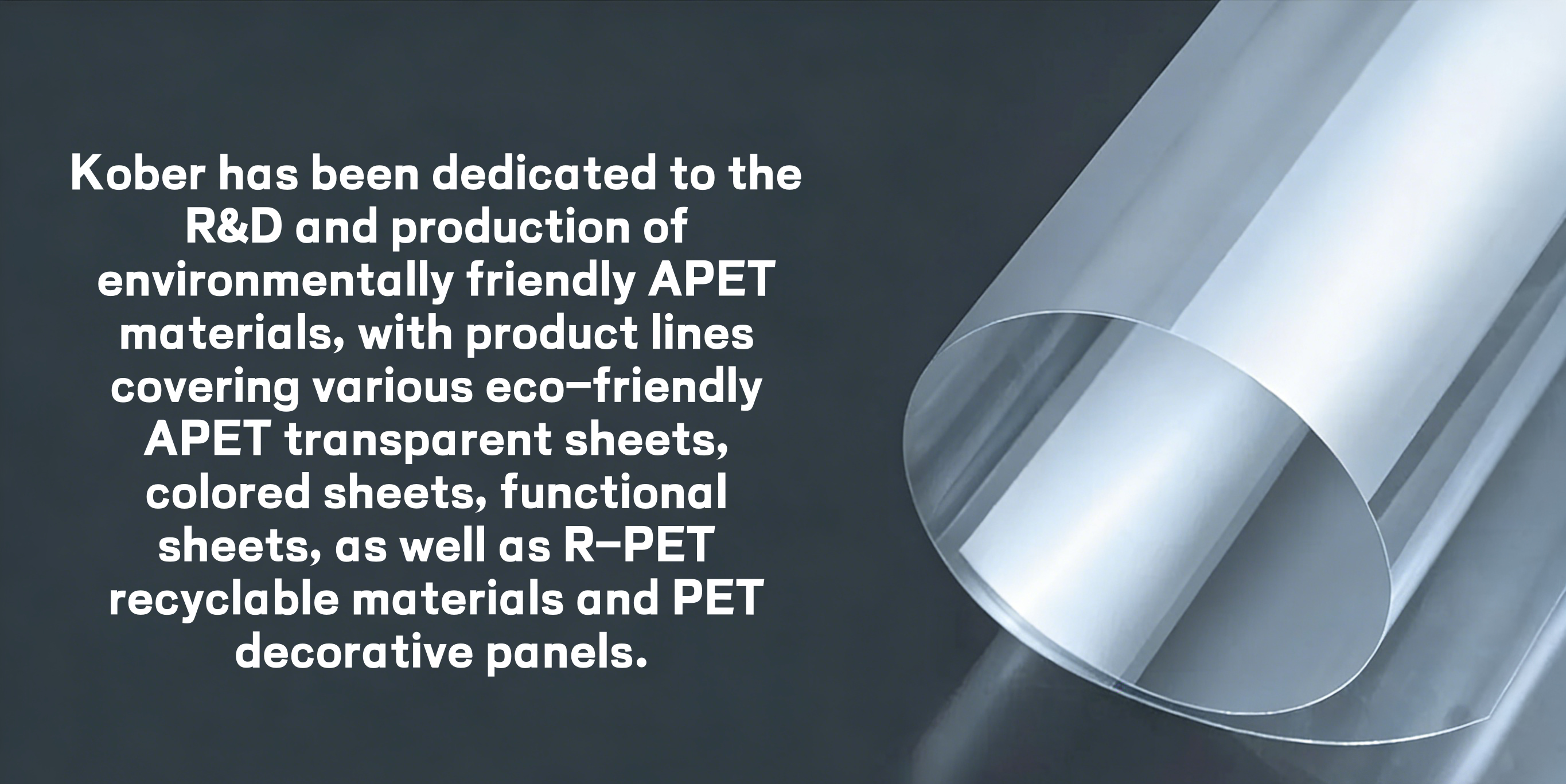
With technological advances, the production accuracy of APET materials has been greatly improved, and its thickness tolerance can be controlled within 1%, which enables packagers to calculate the output per ton of material more accurately and significantly reduce the cost of individual packaging.
In the field of PETG, the independent research and development of Chinese enterprises is breaking the monopoly of foreign countries. Wanhua Chemical, Shenghong Petrochemical and other enterprises have realized industrial production, and the annual capacity of the largest PETG plant in China has reached 130,000 tons.
These two materials may also be used together through co-extrusion technology to produce innovative materials with APET rigidity, PETG toughness and easy sealing.