


Kober's High-Heat APET Sheets for Demanding Takeout Food
Release Time : 2026-01-28
With the continuous growth of the food delivery industry, market requirements for packaging materials have evolved from merely "functional" to "high-performing and safe." Data indicates that China's food delivery market is projected to exceed 1 trillion yuan by 2025, with the proportion of high-oil, high-temperature foods (such as fried chicken, spicy hot pot, barbecue, etc.) increasing year by year.
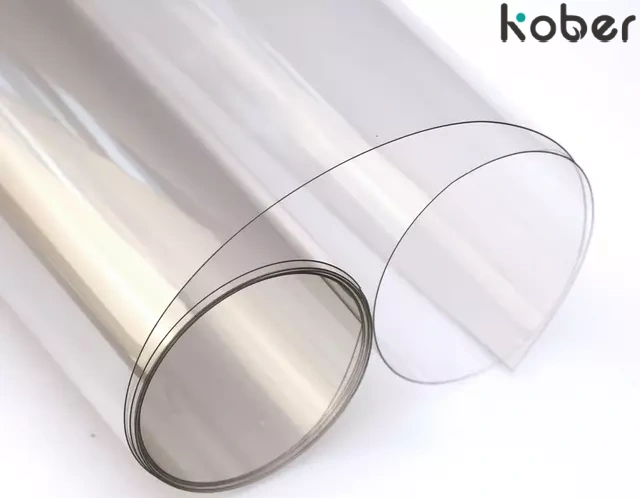
Kober's high-heat-resistant APET (Amorphous Polyethylene Terephthalate) food container sheet is an innovative solution developed specifically for this market demand. It provides manufacturers of finished products like disposable food containers, electronic trays, and toy packaging with a superior raw material option.
Industry Challenge: Extreme Demands of High-Oil, High-Temperature Takeout on Packaging
Traditional plastic containers often struggle under the dual assault of heat and grease from foods like fried chicken or spicy hot pot. Common issues include potential release of harmful substances, deformation, leakage, and food safety concerns, alongside growing consumer focus on environmental impact.
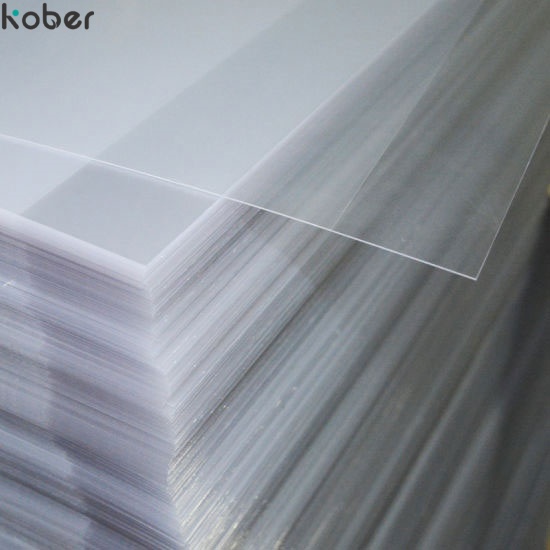
Improved Thermal Stability: Special additives significantly increase the heat deflection temperature, allowing containers to maintain excellent dimensional stability even when in contact with very hot food.
Enhanced Barrier Properties: Advanced multi-layer composite structures (e.g., APET/EVOH/PE) provide superior barrier performance against both oils and oxygen, making them ideal for greasy foods.
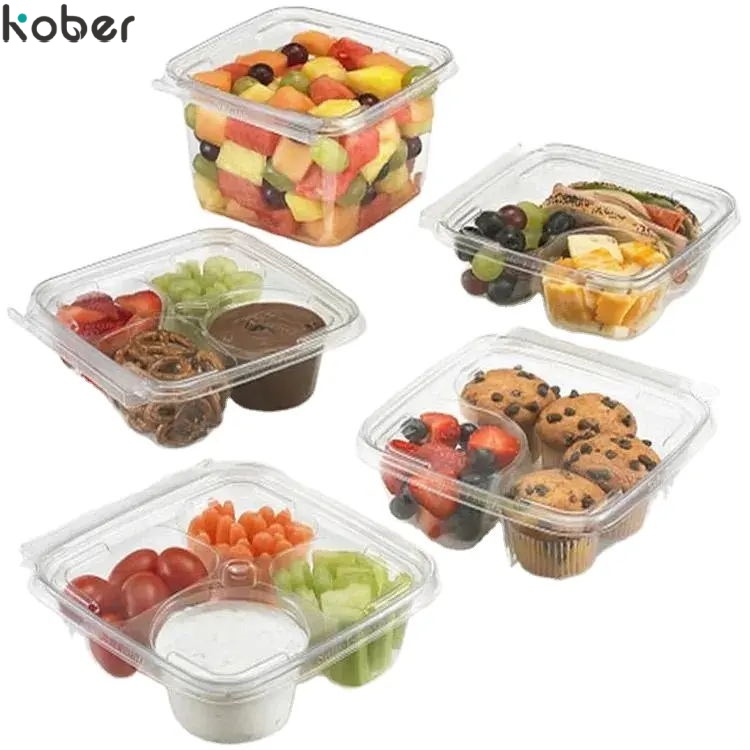 Performance Advantages: Kober APET vs. Traditional Materials
Application & Solutions: From Raw Material to Finished Product
Kober provides comprehensive solutions for downstream manufacturers:
Production Compatibility: The sheets are suitable for standard thermoforming lines, requiring no major equipment overhaul.
Scale & Quality: Supported by large-scale production capacity and stringent quality control with professional testing equipment.
Customization: Offers options for different colors, thicknesses, and added functionalities (e.g., anti-bacterial, anti-static).
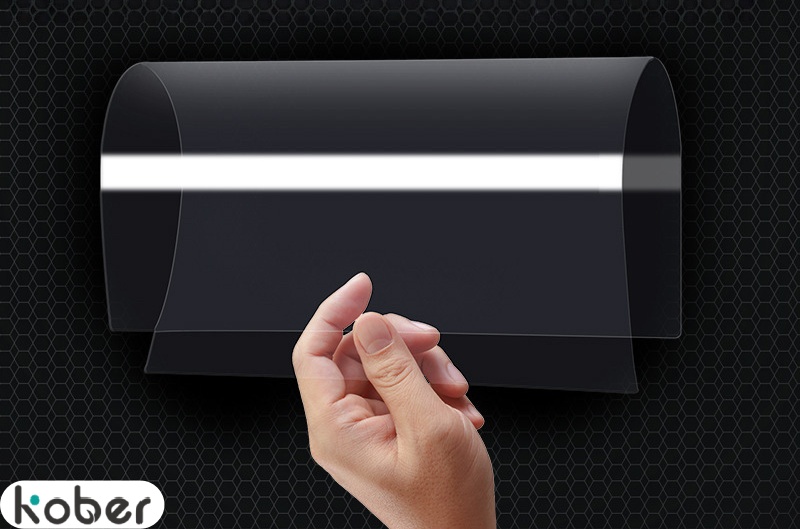
Future Trends: The Path Forward for APET Materials
The industry is moving towards high-performance, multi-functional, and sustainable materials. Key trends include:
Circular Economy: Advancements in recycling technologies, such as using multi-color APET blends to produce new high-quality sheets.
Functional Demand: Growing need for enhanced properties like better barrier, anti-bacterial, and anti-static features.
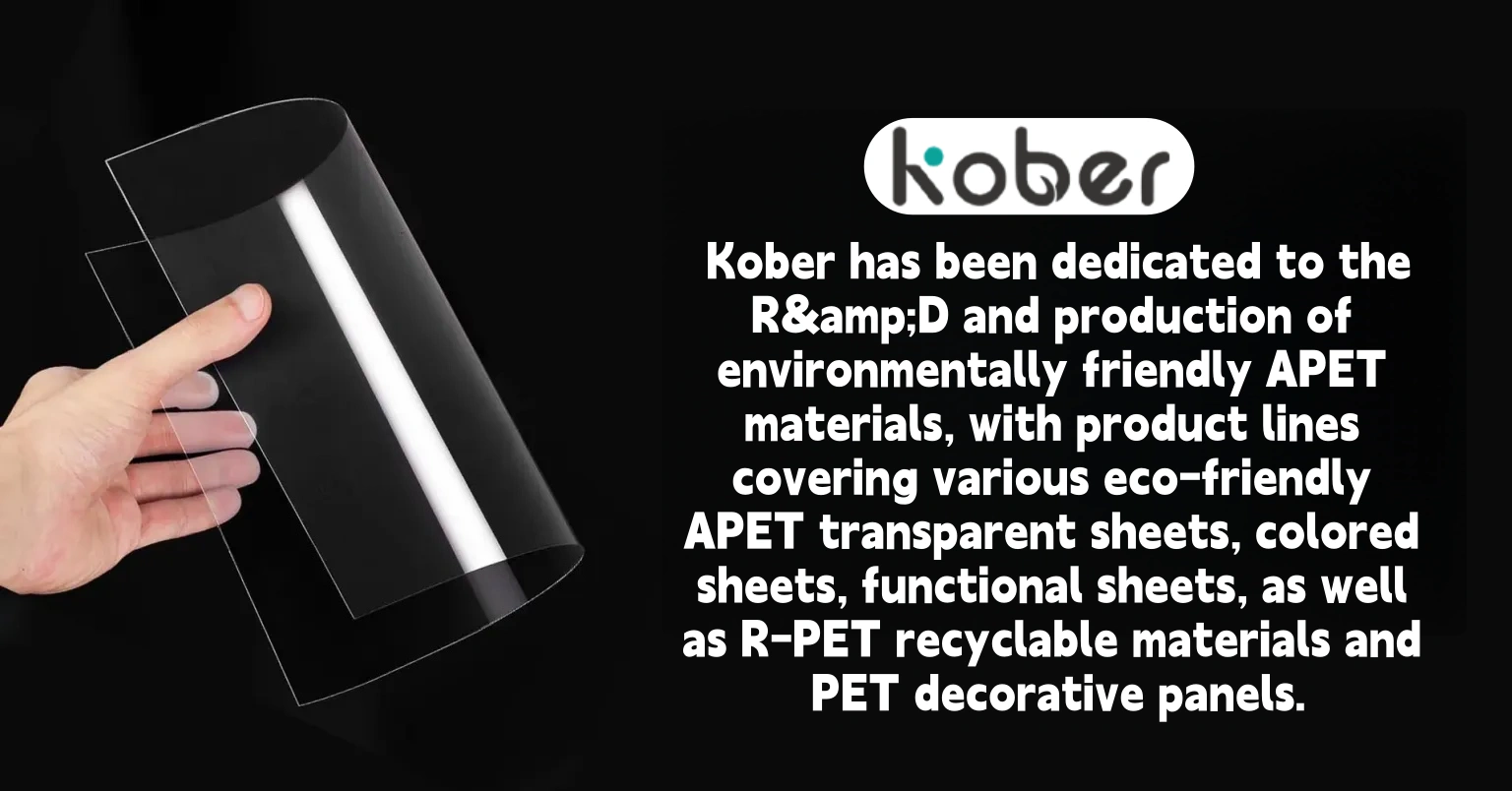
As delivery platforms and consumers increasingly prioritize safety and sustainability, high-heat-resistant APET containers are poised to become a mainstream choice for packaging high-oil, high-temperature takeout food.
Kober's high-heat-resistant APET (Amorphous Polyethylene Terephthalate) food container sheet is an innovative solution developed specifically for this market demand. It provides manufacturers of finished products like disposable food containers, electronic trays, and toy packaging with a superior raw material option.
Industry Challenge: Extreme Demands of High-Oil, High-Temperature Takeout on Packaging
Traditional plastic containers often struggle under the dual assault of heat and grease from foods like fried chicken or spicy hot pot. Common issues include potential release of harmful substances, deformation, leakage, and food safety concerns, alongside growing consumer focus on environmental impact.
Material Innovation: The Science Behind High-Heat-Resistant APET Sheets
Kober's material enhances performance through key technologies:
Improved Thermal Stability: Special additives significantly increase the heat deflection temperature, allowing containers to maintain excellent dimensional stability even when in contact with very hot food.
Enhanced Barrier Properties: Advanced multi-layer composite structures (e.g., APET/EVOH/PE) provide superior barrier performance against both oils and oxygen, making them ideal for greasy foods.
| Performance Indicator | Kober High-Heat-Resistant APET | Standard APET | PP Plastic | Paper-Based Packaging |
| Heat Resistance | 110°C-120°C | 70°C-85°C | 100°C-110°C | Below 90°C (with coating) |
| Oil/Grease Barrier | Excellent (composite structure) | Fair | Good | Poor (prone to leakage without coating) |
| Transparency | High | High | Semi-transparent to Opaque | Opaque |
| Environmental Profile | Recyclable, degradable to water & CO₂ | Recyclable | Recyclable | Partially biodegradable |
| Formability | Excellent, for complex shapes | Good | Good | Limited |
| Cost-Effectiveness | Medium-High (premium performance) | Medium | Low | Low to Medium |
Production Compatibility: The sheets are suitable for standard thermoforming lines, requiring no major equipment overhaul.
Scale & Quality: Supported by large-scale production capacity and stringent quality control with professional testing equipment.
Customization: Offers options for different colors, thicknesses, and added functionalities (e.g., anti-bacterial, anti-static).
Circular Economy: Advancements in recycling technologies, such as using multi-color APET blends to produce new high-quality sheets.
Functional Demand: Growing need for enhanced properties like better barrier, anti-bacterial, and anti-static features.
As delivery platforms and consumers increasingly prioritize safety and sustainability, high-heat-resistant APET containers are poised to become a mainstream choice for packaging high-oil, high-temperature takeout food.