


How to Balance High Transparency and High-Temperature Resistance in PLA Sheets for Takeout Food Containers or Disposable Food Packaging?
Release Time : 2026-03-30
In the modern food packaging industry, PLA sheets are increasingly becoming the preferred material for disposable food containers, takeout food containers, and blister packaging due to their environmental friendliness, biodegradability, food-grade safety, and good processing performance. However, for takeout food containers and disposable food packaging, consumers not only demand environmental friendliness and safety, but also high transparency to present the food visually, while also possessing high-temperature resistance to withstand heating and microwave processing.
1. Achieving High Transparency
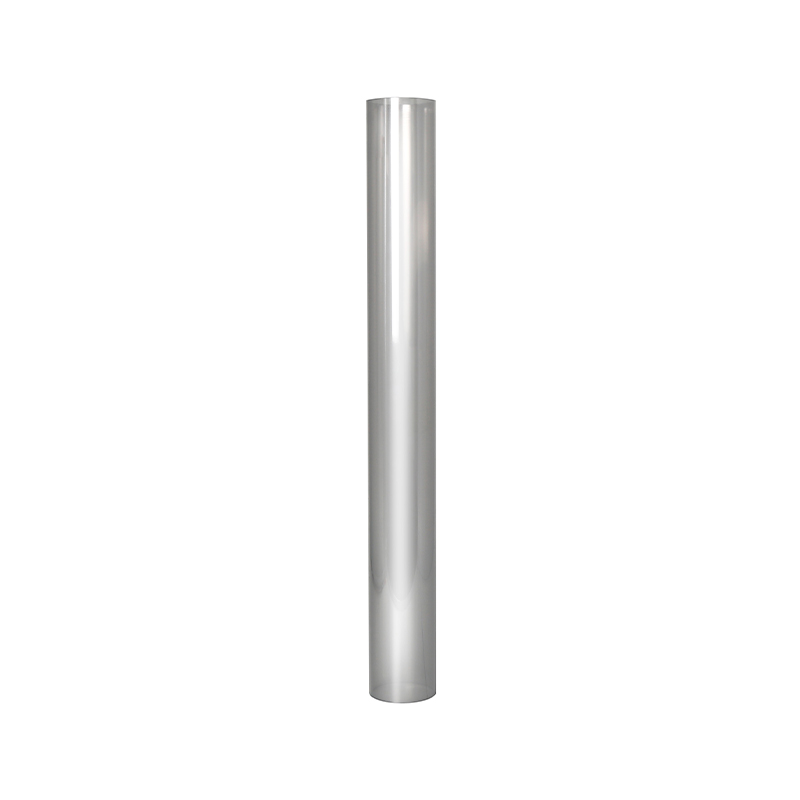
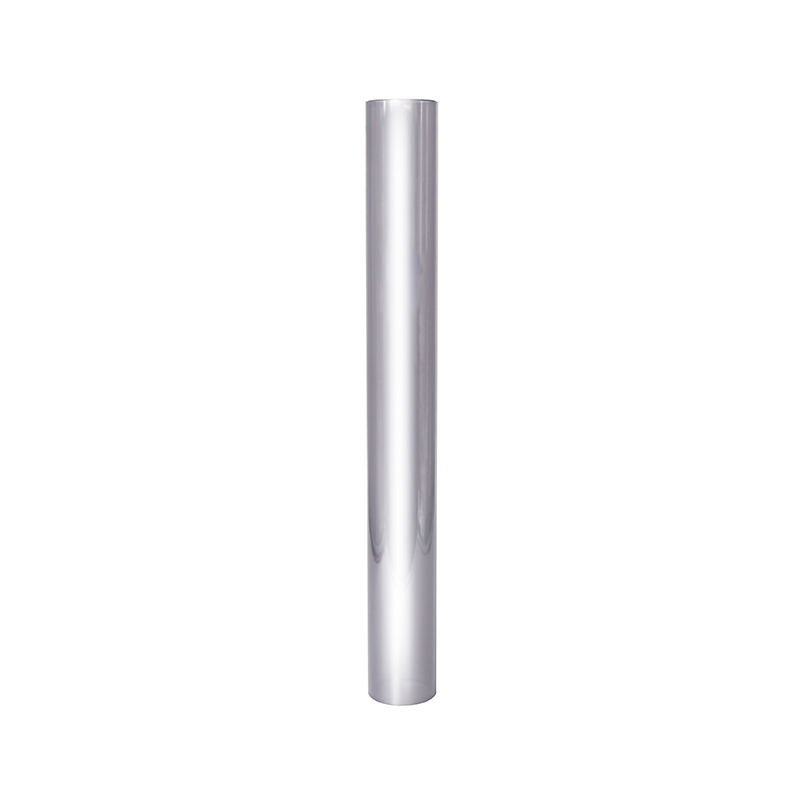
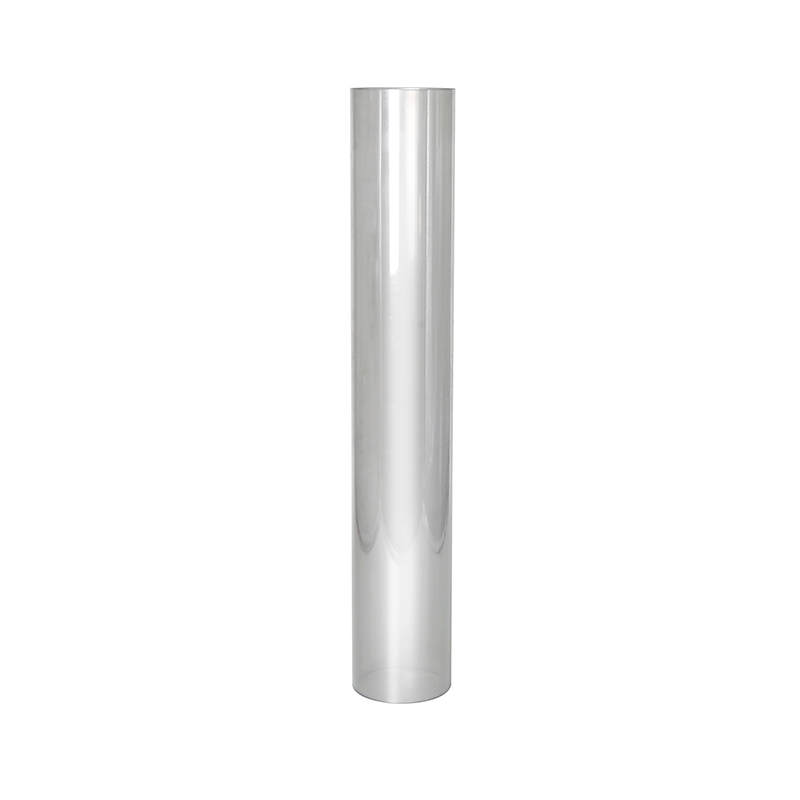
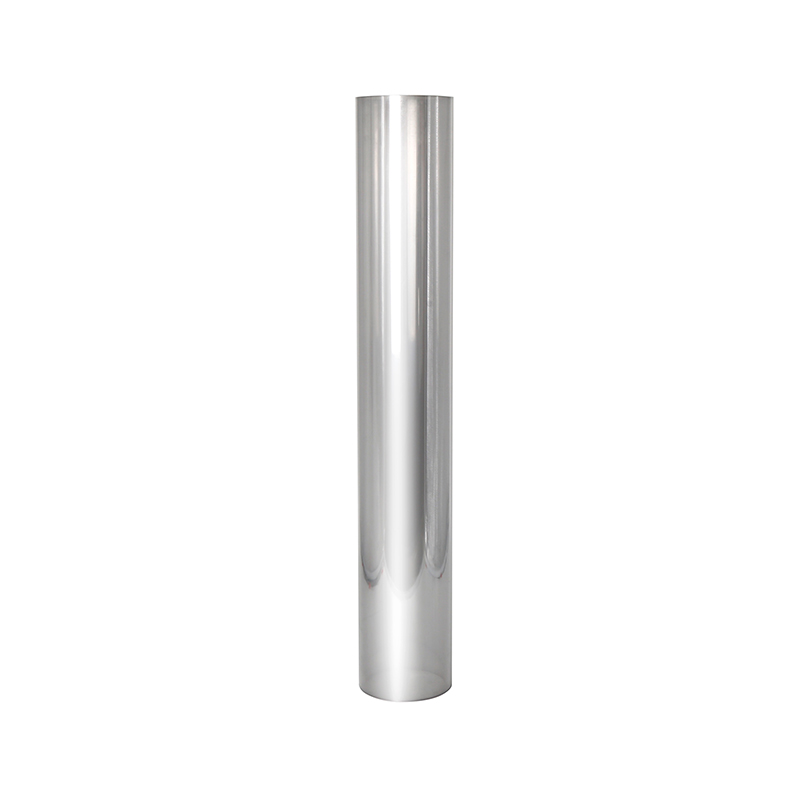
The transparency of PLA sheets directly affects the food display effect. In the production process, high-transparency PLA is typically achieved through strict control of raw material purity, reduction of impurities, and optimization of melt crystallization behavior. Reducing the grain size and crystallization rate in the sheet can reduce light scattering, thereby improving the sheet's light transmittance. Furthermore, adding appropriate amounts of plasticizers or optical additives can also improve melt flowability, making the sheet surface smooth and flat, further enhancing transparency. In food packaging applications, high-transparency PLA sheets allow consumers to directly observe the freshness and color of food, enhancing the purchasing and consumption experience.
2. Improved High-Temperature Resistance
Takeout food containers require materials with a certain degree of high-temperature resistance during microwave heating or hot food transportation. The heat resistance of PLA sheets is mainly affected by their crystallinity and molecular weight. Increasing the crystallinity of the sheet can enhance thermal and dimensional stability, preventing deformation or softening under high-temperature conditions. Furthermore, copolymer modification or the addition of heat-resistant additives are also common methods to improve high-temperature resistance. These modification measures, while ensuring the environmental friendliness and biodegradability of the sheet, enable PLA sheets to withstand short-term heating requirements of 70 to 100 degrees Celsius or even higher, meeting the requirements for takeout food containers and disposable food packaging.
3. Balancing Transparency and High-Temperature Resistance
In practice, improving high-temperature resistance often increases the crystallinity of the sheet, thereby reducing transparency; conversely, pursuing extremely high transparency may lead to insufficient heat resistance. Therefore, manufacturers need to optimize and balance material formulations and processing techniques. On the one hand, by precisely controlling the melt temperature, cooling rate, and stretching process, it is possible to maintain fine grain size while improving crystallinity, thus balancing transparency and thermal stability. On the other hand, selecting suitable comonomers or nano-reinforcing agents can improve heat resistance without significantly affecting optical properties.
4. Applications and Practical Effects
In takeaway containers, disposable food packaging, and blister trays, optimized PLA sheets not only exhibit high transparency, showcasing food colors, but also maintain shape stability and are less prone to softening and warping during microwave heating or hot food storage. This comprehensive optimization of material properties not only enhances the consumer experience but also meets the modern catering industry's demand for environmentally friendly and biodegradable packaging. Furthermore, PLA sheets are easy to shape during processing and can be used for blistering, extrusion, or composite processing, providing flexibility for various food packaging designs.
The application of PLA sheets in takeaway containers and disposable food packaging requires finding a reasonable balance between high transparency and high-temperature resistance. By controlling raw material purity, optimizing crystallization behavior, rationally adding plasticizers or heat-resistant additives, and precisely controlling processing techniques, manufacturers can produce PLA sheets that are aesthetically pleasing, transparent, heat-resistant, and stable. This not only meets the functional requirements of food packaging but also aligns with the development trend of environmentally friendly and biodegradable materials, providing a reliable material solution for the disposable lunch box and food packaging industry.
1. Achieving High Transparency
The transparency of PLA sheets directly affects the food display effect. In the production process, high-transparency PLA is typically achieved through strict control of raw material purity, reduction of impurities, and optimization of melt crystallization behavior. Reducing the grain size and crystallization rate in the sheet can reduce light scattering, thereby improving the sheet's light transmittance. Furthermore, adding appropriate amounts of plasticizers or optical additives can also improve melt flowability, making the sheet surface smooth and flat, further enhancing transparency. In food packaging applications, high-transparency PLA sheets allow consumers to directly observe the freshness and color of food, enhancing the purchasing and consumption experience.
2. Improved High-Temperature Resistance
Takeout food containers require materials with a certain degree of high-temperature resistance during microwave heating or hot food transportation. The heat resistance of PLA sheets is mainly affected by their crystallinity and molecular weight. Increasing the crystallinity of the sheet can enhance thermal and dimensional stability, preventing deformation or softening under high-temperature conditions. Furthermore, copolymer modification or the addition of heat-resistant additives are also common methods to improve high-temperature resistance. These modification measures, while ensuring the environmental friendliness and biodegradability of the sheet, enable PLA sheets to withstand short-term heating requirements of 70 to 100 degrees Celsius or even higher, meeting the requirements for takeout food containers and disposable food packaging.
3. Balancing Transparency and High-Temperature Resistance
In practice, improving high-temperature resistance often increases the crystallinity of the sheet, thereby reducing transparency; conversely, pursuing extremely high transparency may lead to insufficient heat resistance. Therefore, manufacturers need to optimize and balance material formulations and processing techniques. On the one hand, by precisely controlling the melt temperature, cooling rate, and stretching process, it is possible to maintain fine grain size while improving crystallinity, thus balancing transparency and thermal stability. On the other hand, selecting suitable comonomers or nano-reinforcing agents can improve heat resistance without significantly affecting optical properties.
4. Applications and Practical Effects
In takeaway containers, disposable food packaging, and blister trays, optimized PLA sheets not only exhibit high transparency, showcasing food colors, but also maintain shape stability and are less prone to softening and warping during microwave heating or hot food storage. This comprehensive optimization of material properties not only enhances the consumer experience but also meets the modern catering industry's demand for environmentally friendly and biodegradable packaging. Furthermore, PLA sheets are easy to shape during processing and can be used for blistering, extrusion, or composite processing, providing flexibility for various food packaging designs.
The application of PLA sheets in takeaway containers and disposable food packaging requires finding a reasonable balance between high transparency and high-temperature resistance. By controlling raw material purity, optimizing crystallization behavior, rationally adding plasticizers or heat-resistant additives, and precisely controlling processing techniques, manufacturers can produce PLA sheets that are aesthetically pleasing, transparent, heat-resistant, and stable. This not only meets the functional requirements of food packaging but also aligns with the development trend of environmentally friendly and biodegradable materials, providing a reliable material solution for the disposable lunch box and food packaging industry.